
Ladies, if you've ever skipped the jump rope in a workout class, crossed your legs before a sneeze, or planned your running route around bathrooms, this one is for you. Let's talk about it!
Leaking during exercise has a name, stress urinary incontinence, and it's one of the most common things I see in women of every age. Runners, CrossFitters, women who have had babies and women who haven't. It's common, but common doesn't mean normal, and it's very treatable.
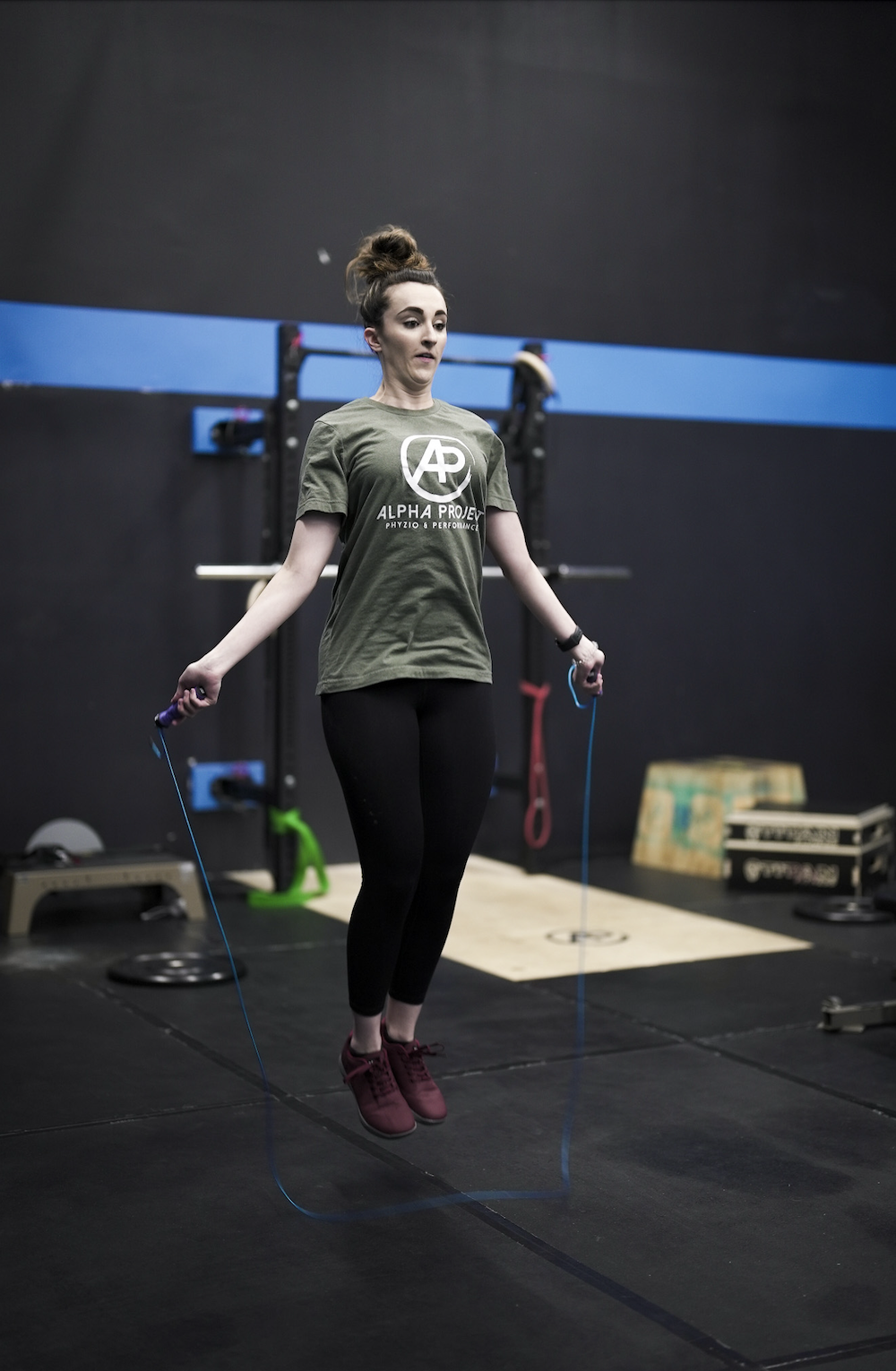
Why leaking happens
Your pelvic floor is a group of muscles that sits like a hammock at the bottom of your pelvis. Every time your foot hits the ground or you jump, pressure in your belly goes up, and your pelvic floor has to respond fast to keep everything closed.
Leaking usually means that response isn't keeping up with the pressure. In my experience, that comes from one of three things:
The muscles are weak or slow. They can squeeze, but not fast enough or long enough for mile four of a run.
The muscles are too tight. This surprises a lot of women! A pelvic floor that's always clenched has nowhere left to go when it needs to squeeze harder, so it can leak just like a weak one. (More on that in how to relax tight pelvic floor muscles at home.)
The pressure isn't managed well. Holding your breath when you lift, bearing down, or a core that isn't working with your pelvic floor all push more pressure down than the muscles can handle.
Pregnancy and birth, menopause, chronic constipation, a heavy lifting routine and high-impact sports can all play a role. That's why two women with the same symptom can need very different plans.
Why kegels alone don't always fix it
Kegels are the first thing most women are told to try, and for some women they help. But if your pelvic floor is already tight, more squeezing can make leaking worse, along with pain and pressure.
The pelvic floor also has to relax fully, react quickly and coordinate with your breathing and core. A kegel on the couch doesn't train it to do that at the pace of running.
Since I can't examine your pelvic floor over a blog post, the best next step is figuring out which kind of pelvic floor you have before you pick exercises.
Things you can try this week
Exhale on the effort. Breathe out as you lift, jump or stand up from a squat. This takes pressure off the pelvic floor right away.
Don't pee "just in case." Going to the bathroom every time you pass one trains your bladder to want to go more often.
Notice when it happens. Write down whether it's the first mile, the last mile, jumping or lifting. That pattern helps us figure out what's going on.
Pro tip: if you leak more toward the end of a run, that often points to a pelvic floor that's getting tired, and that's something we can train!
How pelvic floor physical therapy helps
At your first visit, we talk through your symptoms, your activity and your goals. With your consent, we assess how your pelvic floor muscles contract, relax and coordinate, and we look at your breathing, core, hips and how you move.
Then we build a plan around you. That might include:
Strength and endurance work if your muscles need it, progressed toward impact like hopping and running.
Relaxation and coordination training if your muscles are holding too much tension.
Return-to-impact progressions so you can get back to running, jumping or lifting without planning around bathrooms.
Every visit is one-on-one with a pelvic floor physical therapist, in a private room, at our Gaithersburg or Frederick clinic.
You don't have to live with it
Leaking isn't a normal part of being a woman, getting older, or being active. If it's keeping you from the workouts you love, book a free discovery call with our pelvic floor team. We'll listen to what's going on and tell you straight whether pelvic floor PT is the right fit.
FAQ
Is it normal to leak when running?
It's common, but it isn't normal, and pelvic floor physical therapy can help.
Do I have to stop running if I leak?
No. Most women keep running while we work on it, often with changes to pace, distance or breathing along the way.
I've never had a baby. Can I still have a pelvic floor problem?
Yes. We treat plenty of women who have never been pregnant, including athletes in high-impact sports.
Does a pelvic floor PT visit include an internal exam?
An internal assessment gives us the most information, but it's always your choice. We can start with an external exam and go at your pace.
Where can I get pelvic floor physical therapy?
We see women for pelvic floor physical therapy at both our Gaithersburg and Frederick, MD clinics.
Ready to stop planning around leaks?
Book a free discovery call with our pelvic floor team. We'll listen to what's going on and let you know if pelvic floor physical therapy is the right fit, at our Gaithersburg or Frederick clinic.