
Treadmill vs. Outdoor Running: How to Adapt Your Body for the Transition
At first glance, running on a treadmill and running outdoors may seem interchangeable. After all, the motion is similar and the goal is the same — moving your body forward. But under the surface, the two forms of running place very different demands on the body.
READ: Core Exercises for Runners: 3 Exercises You Should Be Doing!
Treadmills offer a consistent, predictable surface with belt-assisted momentum. That means your legs don’t have to work quite as hard to propel you forward, and your stabilizing muscles aren’t as engaged as they would be on uneven outdoor terrain. The pace is controlled, the incline can be adjusted at the push of a button, and environmental factors like wind or temperature are removed.
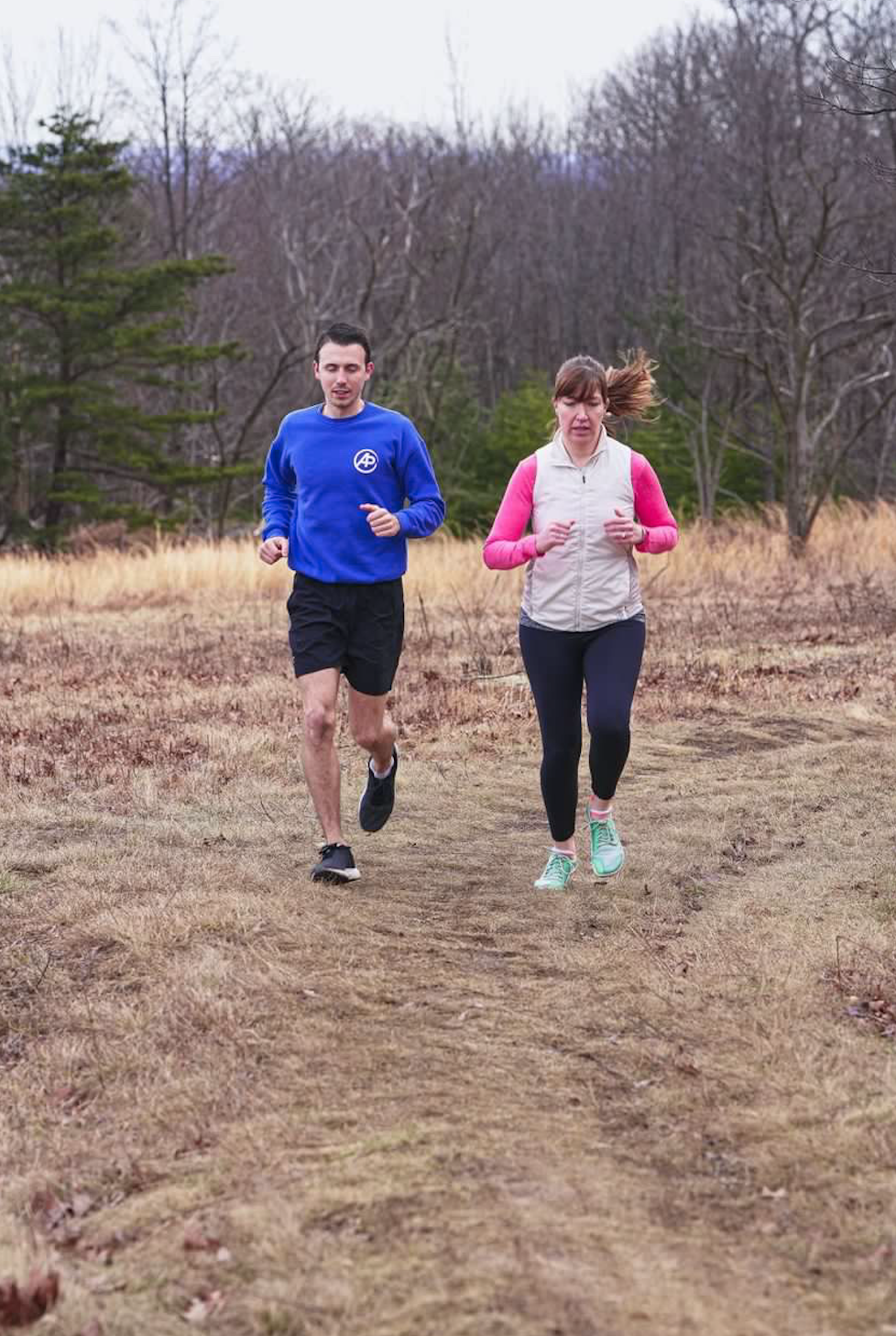
Outdoor running, on the other hand, introduces variability with every step — different surfaces, inclines, weather, and terrain all require your body to adapt in real time. It demands more from your joints, core, and supporting muscles, especially when transitioning from treadmill training.
READ: Is There a Proper Foot Strike for Running?
This difference in mechanics means that switching between the two isn’t as seamless as it might appear. Understanding how your body responds to each environment is the first step in making the transition safely and effectively.
Common Challenges When Switching Surfaces
Transitioning from treadmill to outdoor running — or vice versa — can challenge your body in ways you may not expect. One of the most noticeable differences is how your stride and cadence adjust. On a treadmill, the belt assists in leg turnover, which can slightly shorten your stride and increase your cadence. When switching to outdoor running, you may instinctively lengthen your stride, which increases impact forces and can stress the joints if not well-managed.
Another major shift occurs in how your body stabilizes itself. Treadmills provide a uniform surface that reduces the need for ankle and core stability. Outdoor running introduces uneven terrain, cambered roads, and unpredictable surfaces — all of which demand more control and engagement from smaller stabilizing muscles.
READ: Beginner’s Guide to Hyrox Training
Fatigue may also feel different. Many runners notice that outdoor runs are more tiring, even at the same pace, due to wind resistance, elevation changes, and the mental demand of route navigation. These factors can lead to soreness in areas that aren’t typically stressed during indoor training.
Recognizing these challenges ahead of time can help you adjust your training plan and reduce the risk of injury as your body adapts to new demands.
How Physical Therapy Supports a Smooth Transition
Adapting from treadmill to outdoor running (or vice versa) isn’t just about changing shoes or route — it’s about retraining the body for new demands. That’s where physical therapy becomes a vital tool. At Alpha Project in Columbia, MD, physical therapists work closely with runners to help them navigate this transition without injury or performance loss.
Through detailed gait analysis and running form assessments, therapists identify how your mechanics change across surfaces — and where potential stress points may arise. They also evaluate mobility, strength, and muscle balance to determine whether your body is equipped to handle new loading patterns.
Based on those insights, Alpha Project builds a tailored plan that includes mobility work, strength training, and a structured mileage progression. This ensures your tissues develop tolerance at a pace your body can handle — reducing the risk of shin splints, IT band issues, or Achilles strain.
READ: How Runner’s Can Solve Shin Splints
Whether you’re training for a race or returning to running after a break, physical therapy offers the personalized guidance needed to make the transition smoothly and confidently.
Train Smarter with Alpha Project’s Running Expertise
At Alpha Project in Columbia, MD, supporting runners isn’t just about treating injuries — it’s about helping every athlete train smarter, move better, and perform at their best. Whether you’re transitioning from treadmill to trail or prepping for your next race, their team of running-specialized physical therapists brings the knowledge and tools to guide your journey.
With services like running form assessments, sport-specific physical therapy, and performance-focused programming, Alpha Project offers a comprehensive approach tailored to each runner’s unique needs and goals. You’ll receive one-on-one attention, clear feedback on your mechanics, and a plan built to support long-term consistency — not just short-term gains.
Ready to make your next transition the right way?
Book your running consult today and discover how Alpha Project helps you move with confidence — on any surface.
