
How Sports Physical Therapy Can Enhance Athletic Performance
Athletes push their bodies to the limit, demanding strength, speed, agility, and endurance to perform at their best. However, the physical intensity of sports also increases the risk of injuries, muscle imbalances, and overuse conditions that can hinder performance. While many athletes focus on training and conditioning, few prioritize the role of sports physical therapy in optimizing their abilities and preventing injuries before they occur.
Sports physical therapy is not just for rehabilitation—it’s a proactive approach to enhancing movement efficiency, improving strength, and ensuring long-term athletic success. At Alpha Project Phyzio and Performance, we specialize in helping athletes stay injury-free, recover faster, and perform at their peak through customized therapy and training programs.
In this article, we’ll explore how sports physical therapy can elevate athletic performance, minimize injury risks, and support overall recovery, ensuring that athletes of all levels can train smarter and compete stronger.
Optimizing Strength, Mobility, and Endurance
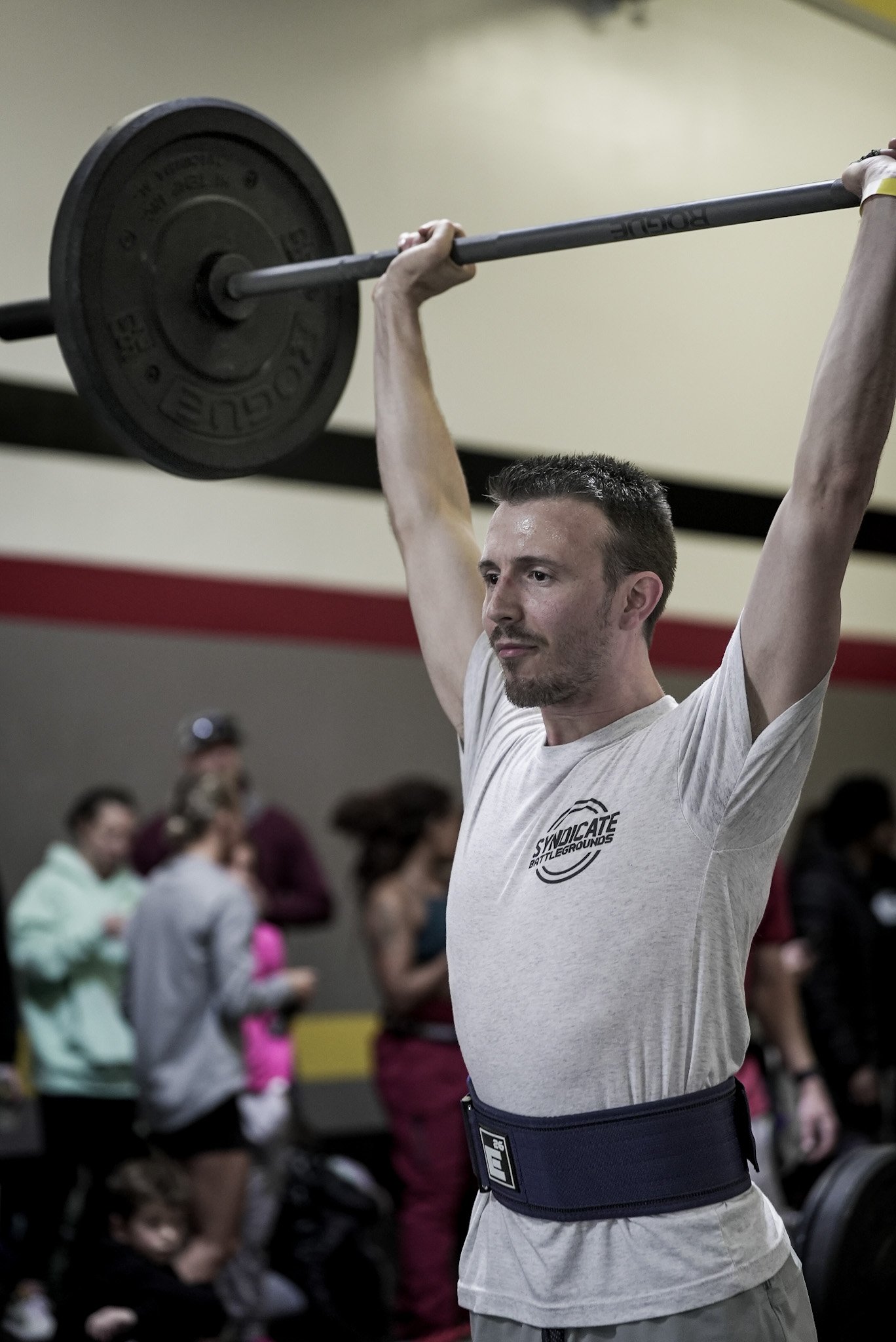
Athletic performance relies on a combination of strength, mobility, and endurance. Without a balanced approach to training, athletes may develop weaknesses or movement restrictions that limit their potential. Sports physical therapy helps optimize these key areas through targeted exercises and movement corrections, ensuring that athletes can perform at their best while reducing the risk of injury.
Building Functional Strength
Strength is the foundation of athletic success, but traditional weightlifting alone may not address sport-specific demands. Sports physical therapy incorporates:
Functional strength training to improve movement efficiency and power.
Core stability exercises to enhance balance, posture, and injury resistance.
Eccentric and isometric training to build muscle control and prevent strain-related injuries.
Enhancing Mobility and Flexibility
Limited joint mobility and muscle tightness can restrict movement and lead to compensatory patterns that increase injury risk. Sports physical therapists use:
Dynamic stretching and mobility drills to improve range of motion.
Soft tissue techniques to reduce muscle tension and enhance flexibility.
Neuromuscular re-education to ensure proper movement mechanics.
Improving Endurance and Movement Efficiency
Endurance isn’t just about cardiovascular fitness—it also involves muscular stamina and movement efficiency. Sports physical therapy helps athletes develop:
Proper breathing mechanics to sustain energy levels during competition.
Gait and running analysis to optimize efficiency and reduce fatigue.
Fatigue resistance strategies to delay muscle exhaustion and improve longevity in sport.
By integrating strength, mobility, and endurance training into a customized sports therapy program, athletes can improve their overall performance while maintaining long-term physical health.
Injury Prevention Through Targeted Training
One of the biggest setbacks for any athlete is an injury that disrupts training and competition. Many sports-related injuries occur due to muscle imbalances, poor movement mechanics, or overuse. Sports physical therapy plays a crucial role in injury prevention by identifying and addressing these risk factors before they lead to serious problems.
Understanding Common Sports Injuries
Athletes are prone to specific injuries depending on their sport. Some of the most common include:
Sprains and strains – Overstretched or torn ligaments and muscles.
Tendonitis – Inflammation of tendons due to repetitive stress.
ACL and meniscus injuries – Common in sports requiring sudden stops and pivots.
Shin splints and stress fractures – Often seen in runners due to repetitive impact.
Correcting Movement Imbalances
Many injuries stem from improper movement patterns or muscle weaknesses that put excess strain on certain joints. Sports physical therapists assess biomechanics to:
Identify muscle imbalances that could lead to compensatory movements.
Develop corrective exercises to strengthen weak areas.
Teach proper movement techniques to improve stability and control.
Sport-Specific Injury Prevention Programs
Every sport places unique demands on the body. A customized injury prevention program includes:
Neuromuscular training to improve coordination and reaction time.
Agility and plyometric drills to enhance speed and explosive power safely.
Joint stabilization exercises to reinforce the knees, ankles, shoulders, and other high-risk areas.
By addressing underlying movement deficiencies and strengthening key muscle groups, sports physical therapy helps athletes stay in the game longer and perform at their best without setbacks.
Enhancing Recovery and Reducing Downtime
Recovery is just as important as training when it comes to athletic performance. Without proper recovery, athletes risk overuse injuries, decreased performance, and prolonged muscle fatigue. Sports physical therapy helps accelerate the healing process, minimize soreness, and reduce downtime between training sessions and competitions.
More articles from our blog:
How Runner’s Can Solve Shin Splints
Pelvic Floor PT During Pregnancy
Perfecting Your Stride: How Runners Can Improve Their Stride
Interested in Pelvic Floor Physical Therapy? What to Expect During The Process
Finding Optimal Running Cadence... You Have Questions, We Have Answers!
The Importance of Active Recovery
Many athletes assume that rest alone is enough for recovery, but active recovery is far more effective. Sports physical therapy incorporates:
Low-impact movement exercises to promote circulation and reduce stiffness.
Foam rolling and myofascial release to alleviate muscle tightness.
Gradual loading strategies to prevent muscle loss while healing from an injury.
Manual Therapy Techniques for Faster Healing
Hands-on therapy can significantly speed up the body’s natural recovery process. Physical therapists use:
Soft tissue mobilization to break up scar tissue and reduce inflammation.
Joint mobilization to restore movement in restricted areas.
Stretching and flexibility work to prevent post-workout stiffness.
Reducing Muscle Fatigue and Overuse Injuries
Overtraining without adequate recovery can lead to chronic pain, fatigue, and overuse injuries. Sports physical therapy helps athletes recover efficiently through:
Proper load management to balance training intensity and rest periods.
Cold and heat therapy to reduce swelling and promote muscle repair.
Personalized recovery protocols based on sport-specific demands.
By integrating evidence-based recovery strategies, athletes can train harder, recover faster, and maintain peak performance levels throughout their seasons.
Improving Sport-Specific Skills and Performance
Every sport demands a unique combination of strength, speed, coordination, and agility. Sports physical therapy goes beyond general rehabilitation by tailoring training programs to the specific needs of an athlete’s sport, helping them develop the skills required to excel in competition.
Enhancing Agility, Balance, and Coordination
Athletic performance depends on quick reflexes, stability, and precise movements. Sports physical therapy includes:
Agility drills to improve quick directional changes and reaction time.
Balance training to enhance stability and prevent falls or missteps.
Proprioceptive exercises to increase body awareness and movement efficiency.
Strengthening Sport-Specific Muscle Groups
Different sports place stress on different parts of the body. A customized therapy program ensures that the right muscles are strengthened to support performance. Examples include:
Runners focusing on hip stability, core strength, and knee alignment.
Soccer players working on explosive power and lower-body resilience.
Tennis players strengthening shoulder stability to prevent rotator cuff injuries.
Maximizing Speed and Power
Explosiveness and acceleration are critical in many sports. Physical therapy integrates:
Plyometric training to build explosive power and faster reaction times.
Sprint mechanics coaching to optimize running efficiency.
Resistance training to improve power output without sacrificing mobility.
By refining sport-specific skills through targeted training, athletes can maximize their potential, enhance performance, and gain a competitive edge over their opponents.
Athletic performance isn’t just about training harder—it’s about training smarter. Sports physical therapy provides athletes with the tools to enhance strength, mobility, and endurance while reducing the risk of injuries and improving recovery times. By focusing on sport-specific movement patterns, injury prevention strategies, and efficient recovery methods, athletes can perform at their peak and stay in the game longer.
At Alpha Project Phyzio and Performance, we specialize in helping athletes optimize their performance through personalized physical therapy programs. Whether you’re recovering from an injury, looking to prevent future setbacks, or aiming to take your game to the next level, our expert team is here to support your journey.
Ready to elevate your performance? Book an appointment today to learn how sports physical therapy can help you achieve your athletic goals.