

The Long-Term Benefits of Physical Therapy for Pain Management
Chronic pain affects millions of people, making even the simplest daily activities challenging. Whether it’s persistent back pain, joint stiffness, or muscle soreness, many individuals find themselves in a cycle of temporary relief followed by recurring discomfort. While pain medications and short-term treatments may offer quick fixes, they don’t always address the underlying cause of pain.
Physical therapy provides a long-term, sustainable solution for managing pain by improving mobility, strengthening muscles, and promoting overall well-being. At Alpha Project Phyzio and Performance, we take a personalized approach to pain management, helping patients regain control of their health without relying on medications or invasive procedures.
In this article, we’ll explore how physical therapy can provide lasting relief, prevent future injuries, and enhance overall quality of life.
How Physical Therapy Addresses Pain at the Root
One of the key reasons physical therapy is so effective for long-term pain management is its ability to treat the root cause of discomfort rather than just masking the symptoms. Unlike pain medications that provide temporary relief, physical therapy takes a comprehensive approach by identifying movement dysfunctions, muscular imbalances, and joint restrictions that contribute to chronic pain.
Comprehensive Assessment for Personalized Treatment
At Alpha Project Phyzio and Performance, physical therapists begin with a thorough evaluation to understand each patient’s unique pain patterns, movement limitations, and lifestyle factors. This assessment helps determine the specific muscles, joints, or neurological issues that may be causing or exacerbating pain.
Hands-On Techniques for Immediate and Lasting Relief
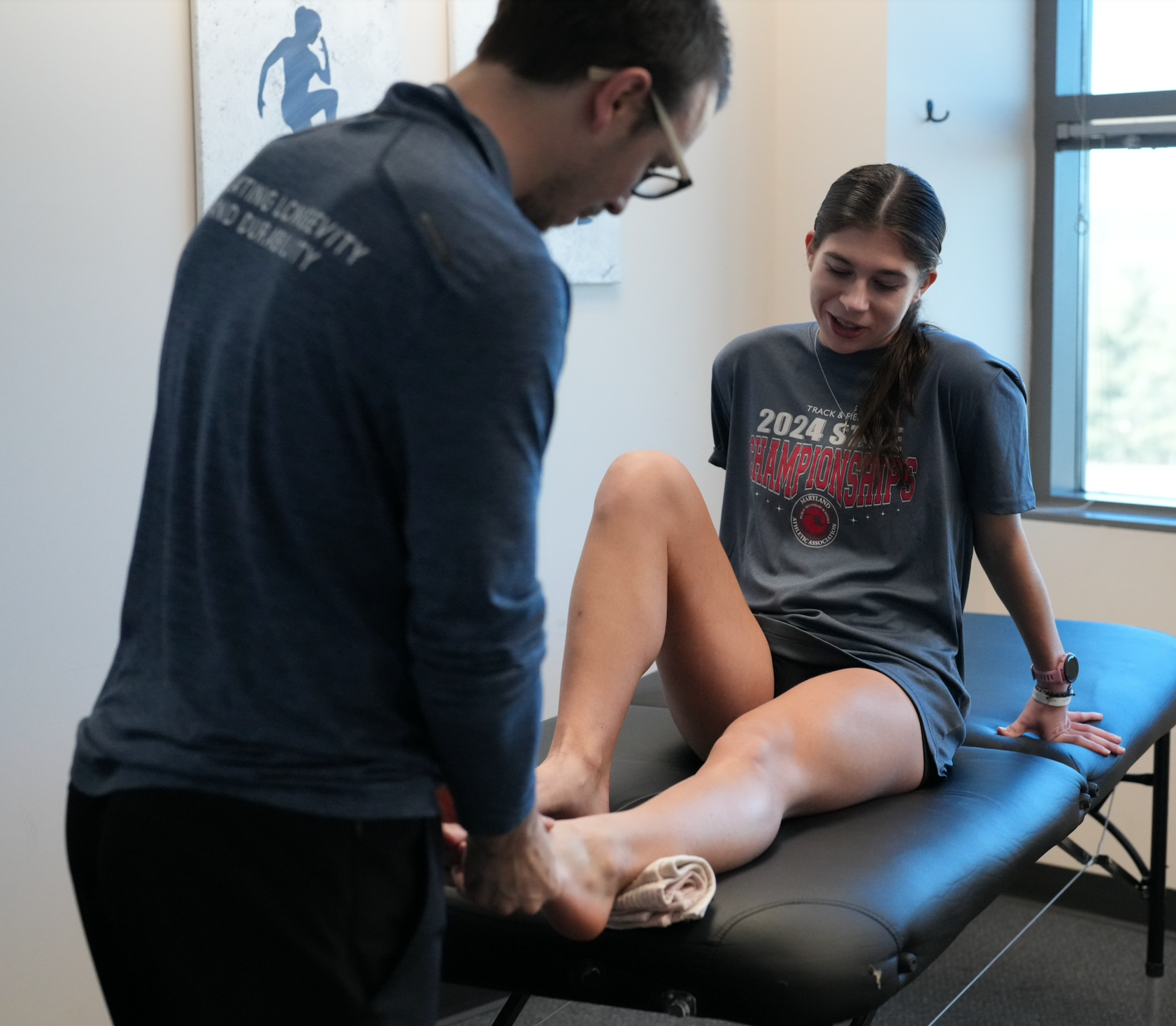
Physical therapists use a variety of hands-on techniques to relieve pain and restore function, including:
Manual Therapy – Techniques such as soft tissue mobilization and joint manipulation help improve circulation, reduce inflammation, and enhance mobility.
Myofascial Release – Targeting tight or restricted muscle tissues can reduce tension and improve range of motion.
Postural and Movement Training – Addressing poor posture and faulty movement patterns prevents unnecessary strain on muscles and joints.
Strengthening and Mobility Exercises for Long-Term Success
Physical therapy goes beyond symptom relief by incorporating targeted exercises that strengthen weakened muscles and improve overall mobility. Patients learn corrective exercises designed to retrain the body, enhance stability, and prevent future pain episodes. By addressing muscular imbalances and improving movement efficiency, physical therapy fosters long-term resilience against pain and injury.
Preventing Recurring Pain and Future Injuries
One of the most significant advantages of physical therapy is its role in preventing pain from returning. Many people experience recurring discomfort because they unknowingly repeat harmful movement patterns or fail to address underlying weaknesses. Physical therapy helps break this cycle by focusing on injury prevention and long-term musculoskeletal health.
Correcting Movement Patterns to Reduce Strain
Improper movement mechanics are a common cause of chronic pain and injury. Whether it’s poor posture, incorrect lifting techniques, or inefficient running form, these habits place unnecessary stress on muscles and joints.
Physical therapists analyze movement patterns and provide corrective strategies to ensure the body moves efficiently, reducing strain and minimizing the risk of re-injury.
Building Strength and Stability
Muscular imbalances and weakness can make certain areas of the body more prone to pain and injury. Through targeted strength training, physical therapy improves stability in key muscle groups, enhancing overall body mechanics. This is particularly important for individuals recovering from previous injuries, as strengthening supporting muscles can prevent future damage.
Improving Flexibility and Joint Mobility
Tight muscles and restricted joints can contribute to chronic pain and limited mobility. Physical therapists incorporate stretching techniques, mobility drills, and soft tissue work to ensure optimal range of motion. Increased flexibility allows for smoother, pain-free movement and decreases the likelihood of muscle strain.
By addressing these fundamental aspects, physical therapy not only relieves existing pain but also equips patients with the tools they need to stay pain-free in the long run.
Reducing Dependence on Medications
For many individuals dealing with chronic pain, painkillers such as opioids or anti-inflammatory drugs become a go-to solution. While these medications may provide short-term relief, they don’t address the root cause of pain and often come with risks, including dependency, side effects, and diminishing effectiveness over time. Physical therapy offers a safer, more sustainable alternative for long-term pain management.
More articles from our blog:
How Runner’s Can Solve Shin Splints
Pelvic Floor PT During Pregnancy
Perfecting Your Stride: How Runners Can Improve Their Stride
Interested in Pelvic Floor Physical Therapy? What to Expect During The Process
Finding Optimal Running Cadence... You Have Questions, We Have Answers!
Treating Pain Naturally Through Movement and Strength
Unlike medications that only mask discomfort, physical therapy focuses on restoring function and mobility. Through guided exercises, hands-on techniques, and patient education, physical therapists help patients regain strength, flexibility, and stability—all essential for reducing pain naturally.
Avoiding the Risks of Long-Term Medication Use
Prolonged use of pain medication can lead to complications such as:
Increased tolerance, requiring higher doses for the same effect.
Potential addiction, particularly with opioid-based painkillers.
Gastrointestinal issues from overuse of anti-inflammatory drugs.
Fatigue or cognitive effects that impact daily activities.
Physical therapy helps patients break free from reliance on medications by providing long-lasting relief through active rehabilitation rather than passive symptom management.
Empowering Patients to Take Control of Their Pain
One of the most valuable aspects of physical therapy is that it empowers individuals with the knowledge and tools to manage their pain independently. Patients learn specific exercises, posture corrections, and self-care strategies to maintain their progress outside of the clinic. This self-sufficiency reduces the need for medication and fosters long-term well-being.
By addressing pain at its source and promoting healthy movement patterns, physical therapy provides a long-term solution that is both effective and sustainable.
Enhancing Overall Quality of Life
Chronic pain can take a toll not only on physical health but also on mental well-being, daily activities, and overall quality of life. When pain restricts movement, limits participation in hobbies, or affects sleep, it can lead to frustration, stress, and even depression. Physical therapy plays a crucial role in restoring function, confidence, and independence, allowing individuals to live life to the fullest.
Regaining Mobility and Independence
Pain and stiffness often make routine activities—such as walking, climbing stairs, or even standing for extended periods—difficult. Through personalized treatment plans, physical therapy helps individuals regain mobility and restore strength, making everyday tasks easier and more comfortable.
Boosting Mental Well-Being
Persistent pain is closely linked to anxiety and depression, as it can create a sense of helplessness and frustration. Physical activity and movement-based therapy have been shown to release endorphins, which act as natural pain relievers and mood boosters. By addressing pain through exercise, patients often experience improved mental clarity, reduced stress, and a greater sense of control over their health.
Encouraging an Active Lifestyle
Many people with chronic pain avoid physical activity out of fear of aggravating their condition. However, inactivity can lead to muscle weakening, stiffness, and further discomfort. Physical therapy helps individuals return to the activities they enjoy—whether it’s running, hiking, or simply playing with their children—by teaching safe movement patterns and strengthening the body’s support structures.
By improving mobility, reducing pain, and restoring confidence, physical therapy enhances overall well-being and helps individuals lead active, fulfilling lives without the constant burden of discomfort.
Chronic pain doesn’t have to be a lifelong struggle. Physical therapy offers a proven, long-term solution that not only alleviates pain but also strengthens the body, improves mobility, and enhances overall well-being. Unlike temporary fixes such as medications or passive treatments, physical therapy targets the root cause of pain, helping individuals regain control over their health and prevent future discomfort.
At Alpha Project Phyzio and Performance, our expert physical therapists are dedicated to providing personalized, evidence-based care to help patients achieve lasting pain relief. Whether you’re recovering from an injury, managing a chronic condition, or simply looking to move better and feel stronger, we’re here to support your journey.
If you’re ready to experience the long-term benefits of physical therapy, schedule an appointment today and take the first step toward a pain-free life.
